Legal Help for Probate Matters
Probate Help in Dallas-Fort Worth
Probate can involve important legal and financial responsibilities after a loved one passes away. The process may include validating a will, identifying estate assets, addressing debts, distributing property, and handling court requirements. Personal Attorney helps families throughout Dallas-Fort Worth connect with attorneys who handle probate, estate administration, will disputes, and related matters.
Legal Help With the Probate Process
Probate is the legal process used to administer a deceased person’s estate. The exact steps can depend on whether a valid will exists, the type of property involved, the amount of debt, and whether family members agree about how the estate should be handled.
Common probate matters may involve:
- Validating a will
- Estate administration
- Executor responsibilities
- Identifying and valuing assets
- Paying estate debts
- Distributing property
- Will contests
- Heirship issues
- Creditor claims
- Other probate-related disputes
Validating a Will
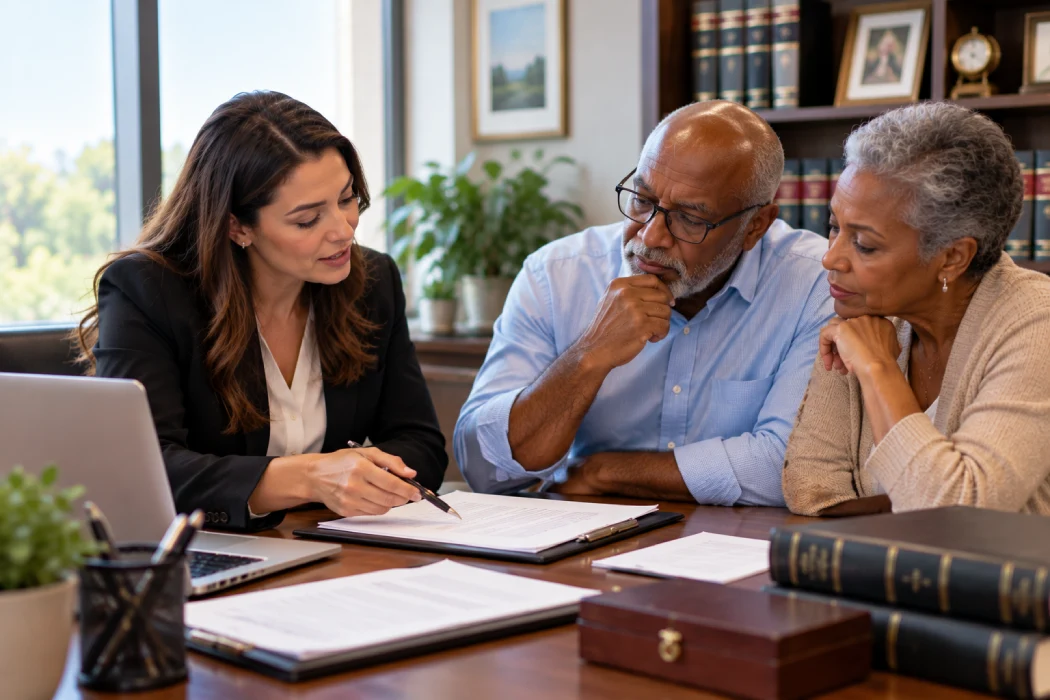
When a person dies with a will, the court may need to determine whether the document is valid before the estate can be administered according to its terms. This process can involve reviewing the will, filing required documents, and confirming who should serve as executor. A probate attorney may help explain the filing process, court requirements, and the responsibilities of the person appointed to manage the estate.
Estate Administration
Estate administration can involve identifying assets, gathering financial records, notifying interested parties, addressing debts, and distributing property to beneficiaries. The amount of work involved can depend on the size and complexity of the estate. An attorney may help the executor or administrator understand what steps need to be completed and what documents may need to be filed with the court.
Executor and Administrator Responsibilities
An executor or administrator may have significant responsibilities during probate. These can include protecting estate property, keeping records, paying valid debts, managing assets, and distributing property according to the will or applicable law.
Because these duties can involve legal and financial obligations, it can be helpful to understand what is expected before making important decisions on behalf of the estate.
Probate Without a Will
When someone dies without a valid will, the estate may still need to go through probate. In those situations, property is generally distributed according to applicable inheritance laws rather than according to written instructions from the deceased person. An attorney may help explain how heirs are identified, how property may be distributed, and what court procedures may apply.
Will Contests and Probate Disputes
Probate disputes may arise when family members or other interested parties disagree about the validity of a will, the conduct of an executor, the distribution of property, or the rights of heirs. These matters may require reviewing estate documents, financial records, communications, witness statements, and other evidence to determine what issues need to be resolved.
Creditor Claims and Estate Debts
Before estate property is distributed, valid debts and creditor claims may need to be addressed. This can include medical bills, credit accounts, taxes, loans, and other obligations owed by the deceased person.
A probate attorney may help explain how claims are handled and what responsibilities the estate has before beneficiaries receive property.
Property and Asset Distribution
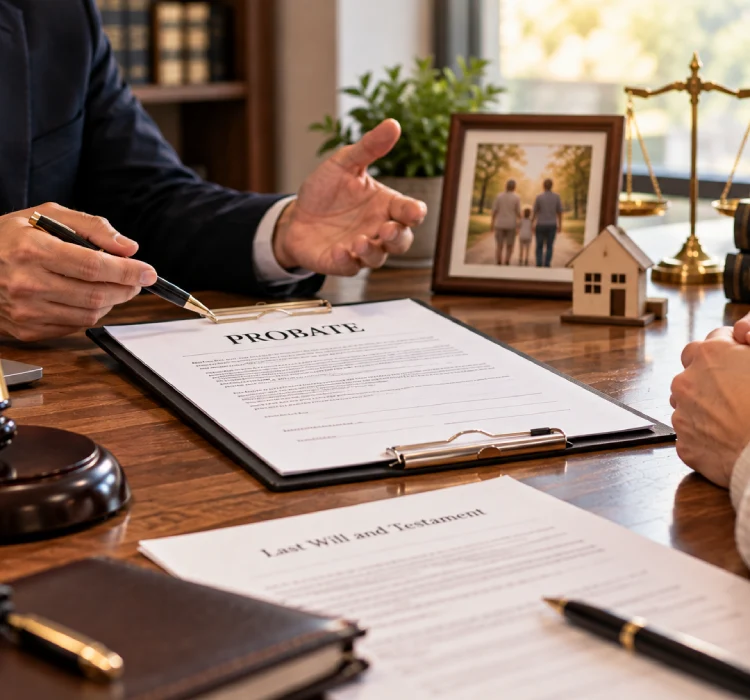
Once debts, expenses, and other estate obligations are addressed, remaining property may be distributed to beneficiaries or heirs. This may involve real estate, bank accounts, investments, personal property, business interests, or other assets. An attorney may help ensure that distribution is handled according to the will, court orders, or applicable inheritance law.
What a Probate Attorney May Review
Probate matters often involve a large amount of documentation. An attorney may review the estate records to understand what property exists, who may have rights to the estate, and what steps are required to complete the process.
The review may include:
- Wills and codicils
- Death certificates
- Property records
- Bank and investment accounts
- Retirement accounts
- Life insurance information
- Debt and creditor records
- Tax documents
- Business ownership records
- Court documents
- Beneficiary and heir information
Why Probate Can Become Complex
Probate can become more complicated when the estate includes multiple properties, business interests, significant debts, missing documents, unclear ownership, or disagreements among family members. The process can also become more involved when a will is challenged or when heirs are difficult to identify.
An attorney may help organize the estate information, explain court requirements, and address disputes that could delay administration.
What to Do After a Loved One Passes Away
Families may need to handle many practical and legal responsibilities after a death. Keeping important records together and avoiding early distribution of property before the estate is reviewed can help reduce confusion.
Helpful steps may include:
- Locate the original will and estate planning documents.
- Obtain certified copies of the death certificate.
- Gather information about bank accounts, property, and debts.
- Keep records of funeral and estate-related expenses.
- Avoid distributing estate assets before understanding the probate process.
- Preserve financial and property records.
- Consider speaking with an attorney who handles probate matters.
Frequently Asked Questions
What is probate?
Probate is the legal process used to administer a person’s estate after death. It can involve validating a will, identifying property, addressing debts and taxes, appointing an executor or administrator, and distributing remaining assets to beneficiaries or heirs. The exact process depends on the estate and whether a valid will exists.
Is probate required if there is a will?
Having a will does not necessarily avoid probate. A will generally provides instructions for how the estate should be handled, but the court may still need to validate the document and oversee parts of the administration process. Whether probate is required depends on the type and value of the assets and other circumstances.
What happens if someone dies without a will?
When a person dies without a valid will, the estate may be distributed according to applicable inheritance laws. The court may need to determine who the legal heirs are and appoint someone to administer the estate. An attorney can help explain how the process works and what documents may be required.
How long does probate take?
The timeline varies depending on the size of the estate, number of assets, creditor claims, court schedule, and whether there are disputes. A relatively straightforward estate may move more quickly, while estates involving contested wills, complex property, or disagreements among heirs can take significantly longer.
Can a will be challenged during probate?
Yes. A will may be challenged in some circumstances, such as when someone questions whether it was properly executed, whether the person had legal capacity, or whether undue influence or fraud may have been involved. These disputes can make probate more complex and may require additional court proceedings.
Other Practice Areas
Free Case Evaluation
Fill out the form below for a fast and FREE review of your case, and get the best options for getting the help you need now!
Probate Help Throughout Dallas-Fort Worth
Personal Attorney helps families throughout the Dallas-Fort Worth area connect with attorneys who handle probate, estate administration, will contests, heirship matters, executor responsibilities, and other estate-related legal issues. This includes

- Dallas
- Fort Worth
- Arlington
- Plano
- Frisco
- McKinney
- Allen
- Richardson
- Garland
- Irving
- Grand Prairie
- Carrollton
- Denton
- Lewisville
- Flower Mound
- Rockwall
- Mesquite
- Mansfield
- Cedar Hill
- DeSoto
- Waxahachie
- Midlothian
- Prosper
- Celina
- Little Elm
Need Help With a Probate Matter?
If you are handling an estate, serving as an executor, dealing with a will dispute, or trying to understand the probate process in Dallas-Fort Worth, share a few details through the case evaluation form on this page so we can help connect you with an attorney who handles probate matters.