
Legal Disputes & Civil Matters
Civil Litigation Help in Dallas-Fort Worth
Civil disputes can arise between individuals, businesses, property owners, contractors, employers, or other parties. These matters may involve contracts, money, property, business relationships, or other disagreements that cannot be resolved informally. Personal Attorney helps people throughout Dallas-Fort Worth connect with attorneys who handle civil litigation and related legal disputes.
Legal Help for Civil Disputes
Civil litigation generally involves legal disputes between people or organizations rather than criminal charges. Some cases can be resolved through negotiation or settlement, while others may require court filings, hearings, discovery, mediation, or trial. An attorney may review the facts, documents, communications, and applicable agreements to help explain what legal options may be available.
Common civil litigation matters may involve:
- Contract disputes
- Business disputes
- Property disputes
- Breach of agreement
- Unpaid debts
- Fraud or misrepresentation claims
- Partnership disputes
- Construction disputes
- Landlord-tenant disputes
- Other civil claims
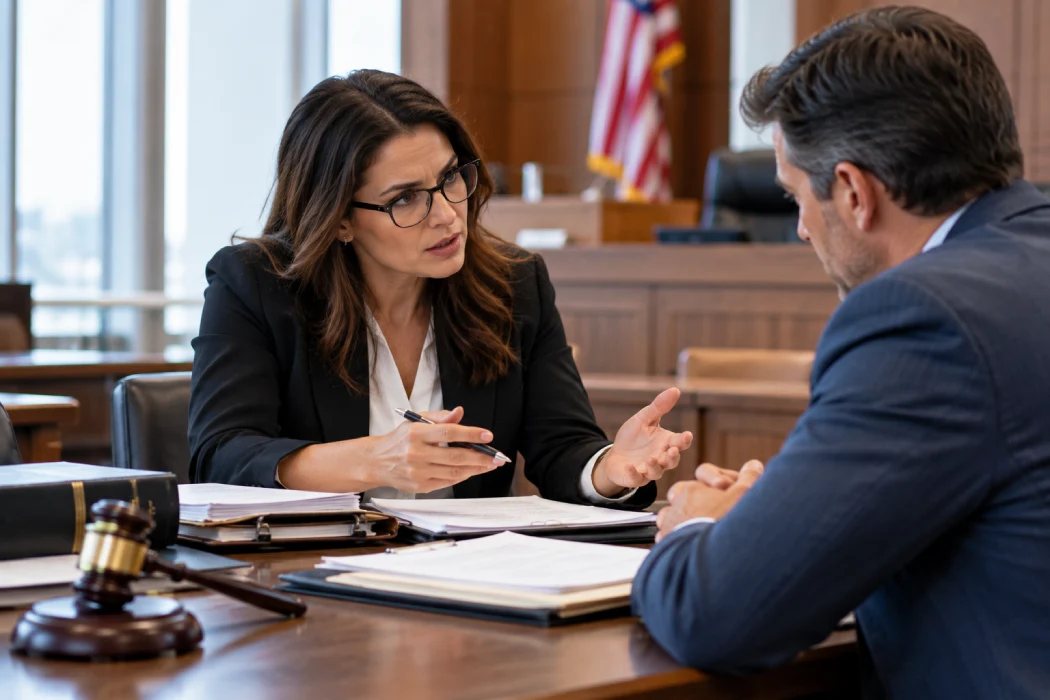
Contract Disputes
Contract disputes may arise when one party believes another failed to follow the terms of an agreement. These matters can involve written contracts, service agreements, purchase agreements, leases, business arrangements, or other legally enforceable obligations.
A civil litigation attorney may review the contract language, communications between the parties, payment records, performance history, and other evidence to understand whether a breach occurred and what remedies may be available.
Business Disputes
Business disputes can develop between owners, partners, vendors, clients, contractors, or other companies. These disagreements may involve money, responsibilities, ownership interests, performance obligations, or claims that one party failed to meet an agreement.
Resolving a business dispute may involve negotiation, mediation, settlement discussions, or litigation depending on the circumstances and the relationship between the parties.
Property and Real Estate Disputes
Civil litigation may also involve disagreements over real property, boundaries, leases, ownership interests, access rights, or contractual obligations connected to real estate. These disputes can become complex when multiple documents, property records, or parties are involved.
An attorney may review deeds, contracts, leases, surveys, correspondence, and other records related to the property dispute.
Fraud and Misrepresentation Claims
A civil claim may involve allegations that one party made false or misleading statements that caused another person or business to suffer financial harm. These cases often depend on what was represented, whether the information was relied upon, and what losses resulted.
Evidence may include contracts, emails, messages, financial records, advertisements, invoices, or other communications between the parties.
Construction and Contractor Disputes
Construction-related disputes may arise between property owners, contractors, subcontractors, suppliers, or developers. Common issues can involve incomplete work, payment disagreements, delays, defective construction, contract interpretation, or disputes over the scope of work.
These matters may require reviewing contracts, invoices, change orders, project records, photographs, inspection reports, and communications between the parties.
What a Civil Litigation Attorney May Review
Civil disputes often depend heavily on documents and the history between the parties. An attorney may review the available records to understand what was agreed to, what happened, and what legal remedies may be available.
The review may include:
- Contracts and written agreements
- Emails and text messages
- Invoices and payment records
- Business records
- Property documents
- Photographs and videos
- Witness statements
- Demand letters
- Court documents
- Financial records
- Other available evidence
Why Civil Litigation Can Become Complex
Civil litigation can become complicated when the parties disagree about what happened, contract language is unclear, significant money or property is involved, or multiple claims and defenses are raised. Cases can also become more involved when there are several parties, extensive documents, or disputes over evidence.
Some matters may be resolved through negotiation or mediation, while others may require formal litigation and court involvement.

Negotiation and Settlement
Not every civil dispute needs to go to trial. Many cases are resolved through negotiation, settlement discussions, mediation, or other forms of alternative dispute resolution.
An attorney may help evaluate settlement options, communicate with the opposing party, and determine whether a proposed resolution reasonably addresses the legal and financial issues involved.
Filing a Civil Lawsuit
When a dispute cannot be resolved informally, one party may decide to file a civil lawsuit. The process can involve pleadings, responses, discovery, depositions, motions, hearings, settlement discussions, and potentially trial.
The exact process depends on the type of dispute, the court, the amount at issue, and other circumstances.
What to Do When You Are Involved in a Civil Dispute
If a civil disagreement is becoming more serious, preserving records and avoiding unnecessary escalation can be important.
Helpful steps may include:
- Keep copies of contracts, agreements, invoices, and correspondence.
- Save emails, text messages, and other communications.
- Document payments, losses, and important dates.
- Avoid altering or deleting relevant records.
- Keep notes about conversations and events related to the dispute.
- Review any deadlines or court documents carefully.
- Consider speaking with an attorney who handles civil litigation.
Types of Remedies That May Be Involved
The outcome of a civil dispute depends on the facts and applicable law. Different cases may involve financial compensation, enforcement of an agreement, cancellation of a contract, property-related relief, or other court-ordered remedies.
Possible remedies may include:
- Monetary damages
- Payment of unpaid amounts
- Contract enforcement
- Contract cancellation
- Injunctive relief
- Property-related relief
- Other remedies allowed by law
Frequently Asked Questions
What is civil litigation?
Civil litigation generally involves legal disputes between individuals, businesses, organizations, or other parties over money, contracts, property, rights, or obligations. Unlike criminal cases, civil matters usually focus on resolving a dispute or obtaining a legal remedy rather than determining criminal guilt.
Do all civil disputes have to go to court?
No. Many civil disputes are resolved through negotiation, settlement, mediation, or other forms of alternative dispute resolution before a trial becomes necessary. Whether court involvement is needed depends on the type of dispute, willingness of the parties to negotiate, and complexity of the legal issues.
What should I bring to a civil litigation attorney?
It can be helpful to bring contracts, invoices, emails, text messages, payment records, photographs, court documents, demand letters, and any other records related to the dispute. A clear timeline of events can also help the attorney understand what happened and identify the main legal issues.
What remedies may be available in a civil lawsuit?
The available remedies depend on the type of case and applicable law. A civil lawsuit may seek monetary damages, payment of amounts owed, enforcement or cancellation of a contract, injunctive relief, property-related remedies, or other forms of relief permitted by the court.
How long does a civil litigation case take?
The timeline varies significantly depending on the complexity of the dispute, number of parties, amount of evidence, court schedule, settlement negotiations, and whether the matter proceeds to trial. Some disputes may be resolved relatively quickly through settlement, while more complex cases can take much longer.
Other Practice Areas
Free Case Evaluation
Fill out the form below for a fast and FREE review of your case, and get the best options for getting the help you need now!
Civil Litigation Help Throughout Dallas-Fort Worth
Personal Attorney helps people throughout the Dallas-Fort Worth area connect with attorneys who handle civil litigation, contract disputes, business disputes, property disputes, and other civil matters. This includes

- Dallas
- Fort Worth
- Arlington
- Plano
- Frisco
- McKinney
- Allen
- Richardson
- Garland
- Irving
- Grand Prairie
- Carrollton
- Denton
- Lewisville
- Flower Mound
- Rockwall
- Mesquite
- Mansfield
- Cedar Hill
- DeSoto
- Waxahachie
- Midlothian
- Prosper
- Celina
- Little Elm
Need Help With a Civil Dispute?
If you are involved in a contract, business, property, or other civil dispute in Dallas-Fort Worth, share a few details through the case evaluation form on this page so we can help connect you with an attorney who handles civil litigation matters.